Showing posts with label Gardening and using its fruits. Show all posts

idea

Put 3+ types of seeds in a cup(s) and bring it to RS or put it on a table somewhere?,
Bring it back every week until it shows edible food, leaves, fruit.
or when it gets too big, maybe they will let you leave it at the door. :)
 smaller ideas:
Green onion, parsley, celery (leaves are awesome so need need to stalk it), basil !, spinach, lettuce
mini peppers or banana peppers, cauliflower, broccolini,  cherry tomato
carrot, beet (get a kick out of the 36(?) seeds per seed), potato...,

Many people have never seen the plants. It takes the fear out.  (I have yet to do this idea though)
seeing it take shape and how to harvest gives a visual, tangible understanding/goal.

My favorite farmer's market farmer was a city boy who grew a bean in a cup at school.... and it changed his life... now he has a huge acreage of crops with the farmers market as just a part of it.
 a bean in a cup can make a difference :) 

The language of soil ...and food from soil... is universal.

Dehyrating Screen Tutorial

This is completely open to any alteration and development of your own!!

My criteria for a successful design was as follows:
  • Low cost
  • stable materials (not reactive to moisture: metal screen, wood 'untreated'
  • High air flow
  • light, easy to move yet large enough to do as much as possible and still: ...
  • fits through doorway and on a raised surface in my backyard
  • "lid" to keep birds off
 I bought the cheapest 'vinyl' screen.
This should NOT be solar screens but Should be a 'single', large, open weave to allow lots of air and light. I prefer the black/brown screen that is plastic feeling on the outside with a fiberglass core. This is usually one of the cheapest ones available ... BUT smell it to make sure it does NOT smell of chemicals etc. Do not use soft metals such as aluminum.
 I bought the smallest size amongst the long pine boards of the cheapest grade;
I selected them from the selection by three factors that make little difference: I laid them on the floor to find straighter ones; I looked for smaller or no knots; And I looked for the finer grained, lighter weight ones because they are less dense and easier on my stapler.
Choose the dimensions: 5 strips per tray.
Identify a raised surface to use (outdoor table, not on the ground)
and determine largest size that still fits within the perimeter (don't want it knocked off easily).
Determine smallest size: Be sure that it fits through your back door while 'tray' is level (with hands on the sides)
Since mine are rectangular, there are three sizes; square would likely be simpler because when cutting there would be 4 strips the same size and one slightly shorter.

I chose mine to be deeper than the width that fits through my single doorway so that it could be bigger overall.  (As an extra step, I planned so that it used the screen in such a manner that the left over strips could be used for sprouting screens on my jars or as two side by side halves for a tray.)

Measure and Cut, squarely and straight:
By being consistently precise it will be better fitting and a safer, longer lasting product. (Trays sitting flat on each other keeps flies out).
Turn the boards so they are taller, not wider.
As can be deduced from the picture, I added a single Middle bar which measures so that it fits snugly inside.  It needs to be nailed in at exactly center so that it stacks neatly on top of the other tray's Middle bar as well.
This gives the screen extra support so it doesn't sag and so the trays do not twist as much.
Since mine are rectangular, there are three lengths; square would likely be simpler because when cutting there would be 4 strips the same size and one slightly shorter.
 "Carpenters' tip to not split your wood"
 Cut the tips off of the nails! I used heavy duty wire cutters.
The "flat" tip now crushes into the wood instead of splitting your wood.

To create a stronger tray:
Arrange your board strips so that the corners are rotating; by putting the boards in a 'spiral', you can only see the end of one from each side.
Use two nails per corner so that boards do not twist.   I have used smaller nails but these work nicely.
Just buy a box so that in a few years you still have some to make new trays with.  It is the most expensive investment.

Attaching the screen:
Cut the screen as straight as easily possible, mostly between rows so that as little of the fiberglass is exposed as possible. Trim when length is exposed. (It creates microscopic slivers that I don't like rubbing my arm on.)
I used staples to attach the screen to the boards. Pull nearly as tight as possible because it will have some give and will sag over time. Pulling too tight; however, creates holes and tears. I assume flat tacks would also work.  My attention to detail also demands that I space them as I go around the square so that I can re-pull/tighten and stagger the staples.
My stapler is a bit wimpy so I have to use a hammer to finish getting them flush.

Make at least two trays:
Use the remnant wood strips to raise screen trays up off the table top for more air flow and also keeps trays from sitting in water if left out in the weather. When juices fall underneath, I can quickly hose off underneath without moving the trays.
Three trays is easy to do with the number of boards.
One tray is always your lid, Others are stacked with food so that they are ALL fully contained.  I have not done more than four trays (three with food). I haven't ever had time to cut more than that in one day, but I think they would have to be rotated if you did as the inner level would not have as good exposure to air and sunlight.


Picture Caption: These are my first and second trays I ever made. Notice in this picture that the top tray has two board ends, but the two bottom trays have just one end showing.  The top tray died quickly.
( By the way, We didn't like the apples. just preference to the juicier = chewy fruits)


Dehydrate anytime the weather is under 60% humidity (which here means 'not raining')  and over 80*F 

Sprouted wheat, buckwheat, and other seeds dehydrate year round, the cooler temperature just changes how many days it takes. Take note: Be aware that the fully swollen seed is 'sprouted' and that after that a longer sprouted tail changes chemistry of the flour. (ex/ growing longer tails made chewy cookies into fluffy cookies)

In the Summer, stone fruit such as peaches, sliced on before 10 am is often dried by nightfall - so quickly it doesn't have time to brown- and can be removed in the evening or even left until morning when another batch can be put on. I often take my bowl of fruit, knife, and a water/trash bowl to rinse in, right out to the screen and cut so that it falls directly onto the trays. 

Have fun!! Great Quality for super cheap and Way faster than the standard machines

Planting Fruit Trees

There is an unseen world that living things communicate and interact and are a part of... This pdf has a method of planting trees that boosts their growth because that world was not ignored.
The magnetic north has it's draw as well as each element in it's form.  Whatever place we have as caretakers in this world, we can and will figure out follow the desire and in the action of our duties. 

Fruit Trees on Steroids pdf (includes images comparing side by side the method vs no method.)

http://www.highbrixgardens.com/audio-downloads/category/1-free-downloads.html

"Fresh fruit is a wonderful gift from our
Creator meant to be savored for its
excellent flavor. While vegetables and
other foods have their place, nothing
else can take fresh fruits’ position as
“cream of the crop.”
Fruit quality can be measured from
many perspectives including, proper
sizing, flavor, brix reading, market
value, total solids, acid to brix ratio,
storage characteristics, and nutrient
density.
...Fruit above mediocre. "
quoted from brochure for event of the same name http://www.aglabs.com/pdfs/Fruit-Trees-On-Steroids.pdf

Garden and Nutrition Information

Sacred Foods and Language of the Universe ;)

Nourishment Homegrown by Beddoe
A wealth of info introducing to the backyard gardener how to grow REAL nutritious food
- includes Folar feeding Recipes and Brix reading from on a Refractometer

Mineral supplements from Dailymfg based on Reams's RBTI: Lime Water and MinCol (Min66...)

Paramagnetism
by Callahan - Ancient people's agriculture insights...  summary of his works =  another witness and his records measurable data of the electrical properties and applications with growth from an enty

My Herbal training is coming mostly from Dr Christopher, but herbals, food as medicine, has a long tradition since ancient times as also mentioned in the Bible and BofM.
Examples: Culpeper's is an example of a publication from Europe,
Cayenne (chili pepper)
is an American food that is integrated world wide for good reason :)
Lower Bowel Formula and ImmuCalm are my two
of my top choices.
Green Pasture Skate Liver Oil - Awesome Nutrition from thousands of year traditions among Vikings
- see foodcompost.blogspot.com
and Nourishing Traditions by Fallon (based -before current WAPF culture adjustments- on Dr Weston A Price's Book Nutrition and Physical Degeneration - http://journeytoforever.org/farm_library.html#price)

ALSO:  (not pictured)
I had mentioned to a few of you the Thunderbolt Project and their Electric Universe Videos
as well as a starting point into how our entire Natural World has the same underlying language ... ldssymbols.com and TJED's recommended book - A Beginner's Guide to Constructing the Universe,...

Thorvin Kelp for Gardening and Animal Supplementing
(purchased from Azure Standard) -
Dashi Kombu for seaweed in daily eating with out the sea taste ;)

Nutrition and Gardening, introduction into Electric Universe

Photos of Community Emergency Preparedness Fair: Displays - click to enlarge


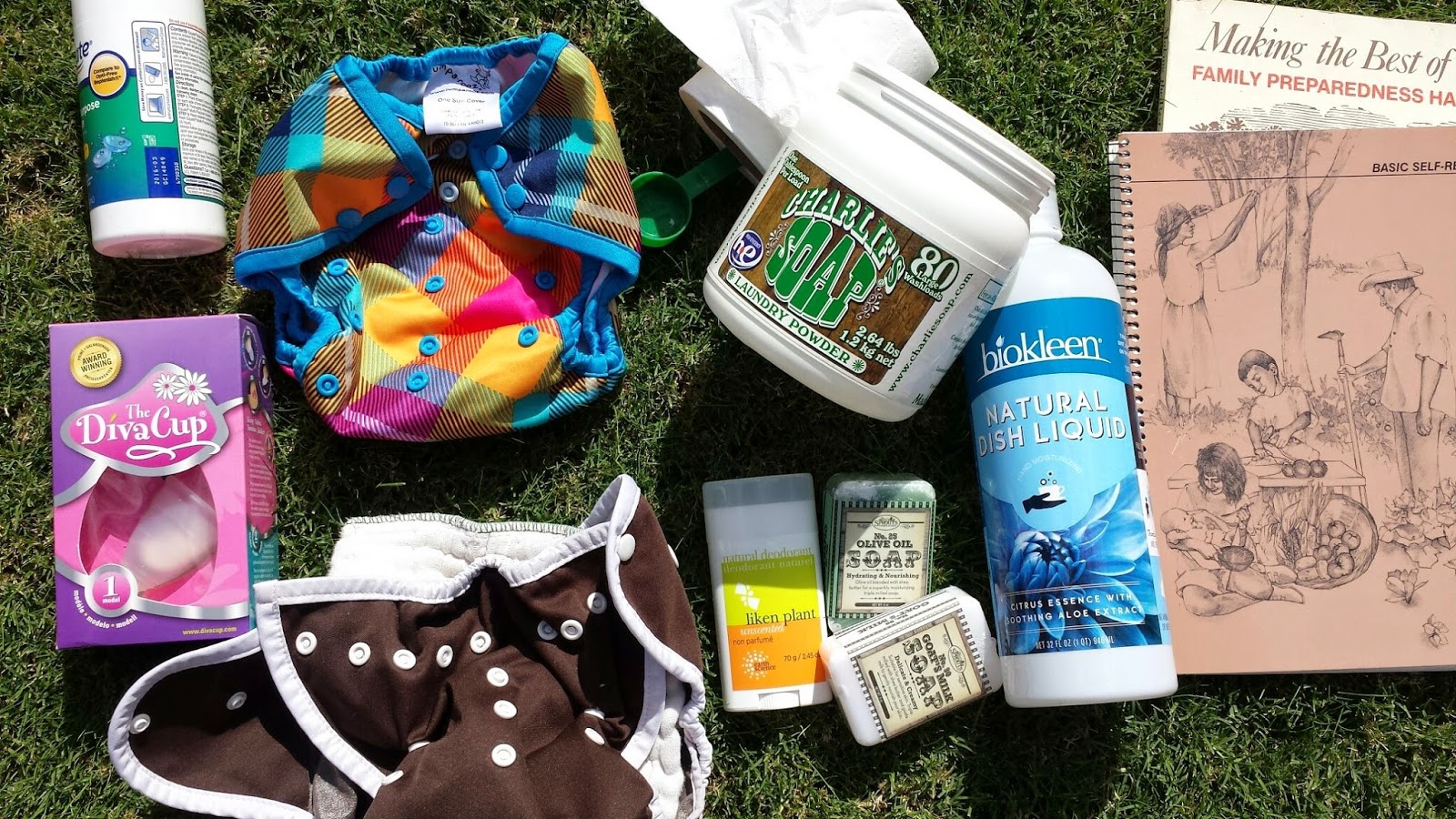
Cleaning and personal needs

AcresUSA.com
Many contributing authors over the years, This is a picture of the catalog of books. Their magazine subscription is Fantastic.


Urban Farm Planting and Harvest Calendar.
Just two of my seed catalogs with nice low prices on seeds - I look for older varieties to find more genetic diversity...
Fantastic seed and information source local in Az is Tuscon's Native Seed Search!

Nutrition and Gardening, introduction into Electric Universe

Invitation: I've downloaded the report = enjoyable reading

THE BELOW IS ALL QUOTED - see bottom of post: 
 
Let's summarize why it is so important
to grow our own nutrition.

1. Food carries nutrients from the soil to your body

2. As the soil so the food

3. To grow better foods first grow the soil

4. To grow better soil it must be crafted

5. To grow your health you must change your food supply

All of these points are covered in the
free report called *Grow Your Own Nutrition* but I would like to emphasize
point no. 4.

*To Grow Better Soil It Must Be Crafted* Soil is malleable. It can be
changed by your stewardship. As you apply what is deficient the pattern of
the soil changes.

The goal of crafting soil is a lot like a sculptor. Michelangelo could take
a large hunk of marble and chip away at it until it became a thing of
beauty. This is exactly what can be done in your garden.

Excessive nutrients are avoided while
deficient nutrients are added. Calcium, phosphorous, and potassium levels
and ratios play a huge role in sculpting a soil capable of growing
therapeutic grade foods.

This changing of the pattern directly
impacts the environment for soil biology and the quality of the produce
being raised.
As Dr. Reams used to say "Cause and Effect, Cause and Effect."

I wrote this report in early 2011 but did not publicly release it till now.
Why?
Because...

*A One-Winged Bird Cannot Fly*
It takes two wings for a bird to fly.
While this report centers on growing food its conclusion clearly points
toward soil mineralization. Soil mineralization is foundational for
revitalizing our food supply.
Call it the right wing.

At the same time the applied minerals need to be mobilized from the soil
into the plant.
Achieving this requires the other wing. The "other wing" will be described
in-depth in an up-coming video. Look for it in 3-5 days.

In the meantime can I ask a favor from you?
If you have friends who you know could benefit from this information please
forward this email to them. If this report leads to questions or comments
please leave them on the download page or email them to me. I plan on
compiling these comments/questions into a future video. Thanks.

Lastly, here is the signup page for the report.

http://members.mineralizedgardens.com/squeeze_pages/6371-free-report-intro-video

Enjoy,

*Jon Frank*
International Ag Labs
(507) 235-6909
Jon@...
www.aglabs.com

New Garden Product!!

Ok, so the previous post was just so I could say this post in a simpler way!

Now take what you know now about whole foods and what happens when they are fermented, esp compared to cooked, And how they benefit OUR bodies.

Now think of the soil = that living breathing system underneath your [future] garden and/or lawn.  (Remember Prerequisites to Gardening 101 [my style] are to watch Dirt The Movie (also on Netflix) and Back to Eden)

Life of any type requires certain environments and foods and is killed by certain environment and toxins.  The soil should be a location for an abundance of life, seen and unseen by the naked eye.  And a soil that is such, is a source of life for that which grows above.  It is inevitable... Soil Life supports Plant Life! (and likewise, Soil Death supports Plant Death.) 
And just as the energy of food is what gives energy to our bodies, it is the energy of the soil that determines what will grown from it.   (check out Reams)
The health of the soil is mirrored above the ground.  Weeds can tell you what the soil is like, But also, the pests and diseases, vs the health/energy and abundance of life above the soil.  I don't want to constantly be fighting the vultures off. I want to instead enjoy abundance to the fullest.  I can't do that from just above on my own. I have to rely on the soil and the life I can support in it.

Lots of foods support this soil life, such as Kelp and other seaweeds and fish feeding the life in the soil. Raw milk has also been used as a great soil food. The fish products I've mentioned before were partially cold processed, and were from part or whole fish instead of the typical unknown and heat processed byproducts that are largely useless and potentially contaminated with a multitude of chemicals.

With all this in mind,
There is a new product available from Green Pasture that I'm very excited to try!!

http://www.greenpasture.org/public/Products/Byproductsfarmproductsfishandbait/index.cfm
Liquid Fish Soil Rescue
This is a by-product of fermentation of the fish livers.  The product is liquid and can flow through both residential and commercial sprayers.  It can be applied on the soil or directly on foliage.  It is most commonly sold in 1 gallon, 5 gallon, 55 gallon drums, 250 gallon totes or tankers.
Discussion:  It is run through a 100 mesh filter prior to shipping.  Most view products to apply to the soil in terms of N P K.  But the real secrete, in this living soil additive, is it stirs the discussion pot on the topic of true soil fertility.  is it NPK or is it bacteria.
 A bio chemist, that specializes in the production of bio fertilizer, called me and provided the following description of soil and nutrients.
' Soil has x lb's of bacteria in the top 6" .  Lets call it 3000 lb's per acre of bacteria for a starting value (soil will be different depending on the amount of chemical used, soil type and weather).  When bacteria die off they give  15% of their weight in nitrogen, 3% phosphorus and 1% potassium.  When conditions and food are perfect bacteria can double in count every 15 min.  It does not take much  to put out 200 lb's of nitrogen through bacteria if you feed your soils/bacteria.'
What is the perfect foods for bacteria?  They need protein, sugars, water.  For explosive bacterial growth vitamin B's and enzymes need to be considered.     Liquid Fish Soil rescue is an excellent living food for your soil.  We do not destroy the enzymes or change the product through any other heating / processing steps... it purely fermented.
Visit the consulting page if you would like to broaden the discussion on possible ways to use  this product on your soil/plants.

Let me know if any of you try this! I'd love to hear about it!


Side Note:
NPK is the sequence most commonly associated with gardening: It can stir up quite the conversations! Here is my favorite tidbit regarding the "N" :
Nitrogen is found in nature and is changed into a usable form by Volcanoes, Lightening (,...comes down in rain), and Microorganisms! (Nitrogen fixation! such as with legumes)
If the soil is rich with life, then we are blessed up top by the nitrogen :) - And I love a good Summer storm's rain for greening up my garden :)

Best Periodical, ever!?

I think it might be and I don't know why I waited so long to request my own... 

ACRES USA

Their website alone is a goldmine of information and fascinating perspectives - See Archive.  The Greats they've introduced to me are kept alive here and what they contributed to the science and traditions are still being tried and advanced.  Acres, to me, is an arena where maintaining their integrity is valued and makes possible the integration of a new generation of Greats (recognize this name?)
 The periodical is what I expected it to be and I read every page - It's nice when even the ads are interesting (although they of course become redundant at some point)   Now, if only they had a library for their extensive list of books.


Organic was never so easy

sigh, my nice long post got lost in deleted computer land -
The short version
search the words "high brix", nutrient dense, acresUSA (their toolkit archives has great articles)

I spray sea90 on my plants (leaves, flowers, fruits,...etc) for an immediate nutrient boost - the 90+ minerals gives nutrient density that the bugs can't stand  - They move on to scavenge weak plants elsewhere.
I bought it from Azure Standard along with the fish emulsion, (although I prefer sweetcornorganics', I ration that one in the name of frugality :) - it is 100% cold processed whole fish, not a heated or byproduct or ....etc ) - it works great with the same company's seaweed which I posted about here....
and the Thorvin kelp (which is best just sprinkled around the yard - feeds the micro-life and provides the phytochemicals, hormones, and mineral ratios (iodine,..)) of the kelps available is the one I've used in bulk.

So onto more aspects: Also this year I'm excited to try a blend of microorganisms that I need to inoculate and then spray onto the soil - it even has one that eats chemicals from previous applications/residues...!  But micro organisms just doin' their thing is the soil is what gives the plants their nutrients; They 'eat' the nutrients in the soil and create/turn it into a form that the plants can then use!  Nitrogen fixation is one of the most commonly heard phrases of that action, but it is by far not the only one .....but since I brought that up:

Nitrogen is one of those nutrients that we just can't seem to get enough of in our gardens - perhaps because we've strayed so far from Nature.   WWII stimulated weapons, chemical processes, and technological advances that left us with synthetic nitrogen and fertilizers.  I, personally, am trying to grow real plants, not synthetic plants ;),   and so am interested in where plants have been getting nitrogen since before half a century ago.   Well, that is from a short list :)  Lightening, volcanoes, and microorganisms - I looked for a few concise sources for you to read that briefly - so go ahead, I'll continue when you get back from Here and Here .....
 It also turns out that by using synthetic nitrogen and fertilizers that we kill the microorganisms in the soil.... and not just the nitrogen creating ones.   And it isn't like the microorganisms just walk back in off the next bus. There is a whole world under our feet that we need to be respectful of and aware that (hopefully) they outnumber us and we can't live on planet earth without them so let's feed them and show them a little respect.

(These amendments are a blended source of some great stuff - nutrients and such that can help restore and amend the soil to recoup from previous synthetic damage. see previous post)

So here are my words for motivation: remember that organic begets organic, synthetic begets synthetic.
And since I want to keep my organic self alive without a synthetic organ replacement or supplement I know where I want to start.  lol

"canning" vegetables the world history way

Preserve your own raw vegetables in a method that INCREASES nutrition and does not use cooking. (personal opinion echoed from gardening posts - seeking out a higher nutrient density yields a superior product)

My original introduction to fermented veggies: http://www.westonaprice.org/food-features/lacto-fermentation

video summary: http://www.westonaprice.org/beginner-videos/fermented-foods-and-beverages-video-by-sarah-pope

overview/ideas: http://www.wildfermentation.com/resources.php?page=vegetables

I've done sauerkraut, I am currently doing pickles for the first time... peppers are next:
http://www.pickl-it.com/blog/410/3-way%20pickled%20peppers/
http://wellpreserved.ca/2011/08/18/naturally-pickled-fermented-jalapeno-peppers/
http://www.woodwifesjournal.com/2010/10/marinated-peppers.html
http://realfoodlittlerock.blogspot.com/2010/06/peck-of-pickled-lacto-fermented-peppers.html

Anyone else's life busy?

It must be time to catchup and simplify.
Using self sufficient and non-consumer methods of course:
  • Make Jam (and try a batch of marmalade) with no sugar needed (or other chemical to gel this) Pectin
  • Any other seasonal food storage and pantry stocking up!
  • Cool Weather Baking! try out a new bread recipe
    soak and dehydrate more grain/seed to use for part of the flour (improvement to nutrition - the longer day waiting options are a similar improvement)
  • Spring Cleaning! Steam (verb and noun) (no chemicals needed) clean.
  • During open window weather: Oil furniture and any other maintenance with smelly chemicals.
  • Organize! Put away clothes in sizes the kids are outgrowing packing them away by size and cycle down the hand me downs.
    Pick up the bigger sizes from second hand stores (great time of year as they are receiving so many donations on good weather days!)
  • Set up the garden! barefoot when possible ;) -- put in seeds and transplants (moon planting calendar and detail version)
  • Fertilize the Citrus -option1, alternatewith, info2(wild rhododendron can be a source of the fungi mycorrhizae), inspiration3

APPLE TREE ORDER


The company we ordered our apple trees from last year is sold out

HOWEVER,

this company is doing a

very exciting,
amazing preservation

of HUNDREDS
OF ANTIQUE & HEIRLOOM VARIETIES


by offering the same method of apple trees at the same amazing price:

Please read below - the text is copy and pasted from their website:
http://www.wagonwheelorchard.blogspot.com/

Benchgrafts still available for 2012 – Please order soon, our rootstock is getting reserved. We will be grafting in late February through late April. When the rootstock runs out we will stop taking orders. We have a 10 tree minimum and no maximum. Please give us plenty of alternate choices in your orders as scion stock is starting to dwindle.

Below is the complete 2012 benchgraft list. It does contain an entire inventory of several orchards – please note we will not graft apples or pears still under patent.

This is the most extensive list ever offered for custom grafting antique apples. Check our previous post for the pear list. Most likely you will never see such an offering again.

Please check your local rules regarding shipping in apples and pears.

Many of the varieties listed below will only be available for 2012 - please consider ordering additional trees to preserve these endangered apples and pears. One of our heroes, Nick Botner is retiring and his collection needs to be preserved (he currently has his massive orchard and home for sale) - the only way to ensure that is to get these fruit trees backed up in as many locations as possible. The list below is an inventory and benchgraft list only - we cannot supply scionwood from this list at our normal prices. We will pay on average $5.50 a stick from this list and then buy scionwood to graft to at a $2.00 average - then we will absorb shipping/handling/insurance costs to deliver them to you at $10/tree with a 10 tree minimum. We are primarily concerned with preservation of this collection - if you would like to swap or purchase scionwood please email us at wagonwheelmail@aol.com or call us at 913-893-6050.


Mail a check with a summary of your order to Wagon Wheel Orchard 15380 Edgerton Rd Gardner KS 66030. First requested/first fulfilled - please do not wait until last minute! We will be shipping in late March to early April or as weather permits.

Questions? - email wagonwheelmail@aol.com

GO TO THE WEBSITE FOR THEIR LIST OF hundreds! of APPLE
(AND PEAR) TREES AVAILABLE

Started Gardening yet?

So, we have four growing season here. really. Our mild winters lend well to crops all winter long. Anything that can take a light frost rarely if ever needs to be covered at all. And in next few weeks we can plant for one last burst of growth before the summer plantings (which is actually a smaller number) See the growing calendar here or in the side bar from the Urban Farm in Phx.

However, the more that I learn about nutrient-dense growing (better than organic - just how Nature would like to have it if she could have her way around us), the more I wonder if we are missing out on more than what we realize. Tomatoes, pepper, and others can grow and bear perennially here. Wouldn't you like to eat a tomato out of your yard... any month of the year? I sure would.

Here is a video and low key method to gardening that is definitely worth a look. If nothing else at all, it is a little hands on, free yard improvement. And a summer later (or longer), If you end up enjoying the results, then plant a few seeds. What can it hurt? = nothing really. And it could provide a great deal of benefit. So take a look at the video and see if you too are inspired to call a tree trimmer ;) http://backtoedenfilm.com/

(and since you may not be able to water your own yard or be legally free to even collect rain water in States and Federal in some not far distant future, It would be wise to be trust in the science under your feet. This brings to mind a certain story though)Link

Apple trees in your yard

We are doing an apple tree group order. (For more information than here, see earlier post)
  • They are 10$ plus 1$ for shipping = $11 each.
  • They are varieties that are great for our Hot climate and heavy soils.
  • They are young and have all of their original roots so they will acclimate and grow very quickly, soon bear fruit, .... (superior to the method used in those sold in local sources)
  • Space is not a problem since keeping an apple tree small is actually easier than maintaining a large tree - as well as the benefits to the apple crop. Many, many options including IN A VERY SMALL SPACE ... see here and 'google' the word "espalier" on images, youtube, etc..
  • The Majority of apple tree varieties will produce apples all on their own (one tree), but the majority of those will produce up to 80% more apples of higher quality if they are planted in the vicinity of another apple tree that has 'compatible' pollen (which would also benefit from the sharing as well as your neighbor's trees.)


and this video at 5:50 shows just how easy it is to train a tree branch to the shape and direction you want.

Apple Trees in Your Yard

I've been hearing rumors of successful apple 'testing' somewhere in Hot Southern Calif. And it looks like I found (one of?) the nursery(s). And they are pretty neat!
I'm assembling an order, http://www.kuffelcreek.com/appleorder.htm
This month is the only month of the year for orders - which is great since now is perfect for here! -- so get it now while the gettin's good.
They have a minimum order of 10 trees (which we have almost reached already), and a flat shipping fee, so ordering as a group is beneficial.

For those just looking to see which ones are recommended here's a list (not necessarily all, I'm just quoting from the kuffel creek):
Anna, Arkansas Black, Cripp's Pink/ Pink Lady, Fuji, Gala, William's pride,
Bramley, Dorsett Golden, Red Boskoop, and Sierra Beauty
(references also here, here, here, ...coming soon, Australian sites are great info sources, but remember winter=summer and summer=winter because of the southern hemisphere)

Reasons why these trees are desirable (and more desirable than the local stores)
  • varieties specifically tested for our hot desert climate
  • great price $10 + $1 shipping = $11
  • correct time of year (unlike most nursery suppliers - which leads to ....'other' problems)
  • form the tree comes in: bench graft (again, unlike any big nursery I've seen, but is something that is great)
  • the rootstock (the portion of the tree/ the variety selected for the ground) is good for our climate and soils
Reasons why I am partial and think this particular company is "cool"
  • They share their knowledge freely
  • and keeps giving it
  • and has more if so desired.
  • upstanding efforts/motives
  • small family owned,.... and all that goes with that....
  • plants that have roots rock ;)
  • They are testing 100s apples in the heat (and very mild winters) so we don't "have too": Part one of two videos of Dave Wilson Nursery interviewing KuffelCreek at their nursery in Riverside Calif - note also, the wide range of ripening seasons: Part 2 starts with honeycrisp.

Reasons to talk to your neighbors
  • Because just like people, apple trees need friends too. Many apple trees will bear fruit without another apple tree, but
  • most apple trees will bear much more and better/bigger fruit if there is another tree they can cross pollinate with (share pollen via the bees, etc)
  • so, If you only want one tree, but your neighbor also only wants one tree, then now there are two
  • however, if you get the same variety/type or (too) close relative of apple, cross pollination doesn't happen. So have a peak at the charts 1 and 2 and talk to your neighbor or just get two+ compatible trees.
Where to plant
  • In a place that allows it to be flood watered or deeply watered, (don't want just surface roots, although most feeder roots are near the top, but going far out from the trunk)
  • In a place that allows it the room to grow, possibly to full potential size without damaging houses, etc..., but certainly accessible so that a manageable size is easy to maintain. Some people refer to this method, but I'm not interested in this method, a forum may be a place to search for success of this method (or not successful results) OR
  • In a place that doesn't have the room and is pruned in an obvious, simple way, such as cut to be espalier. Which is what I am excited about trying. link, link, link, link, link, link, link, link,... so many beautiful pictures for inspiration and directions.
How to Plant: It is simple and I'll help however I can, however this about covers it :
  • As soon as it comes! Have the hole already dug with the dirt pre-watered and soft, but not still muddy. (roots need oxygen to breath in the ground too!)
  • (Assuming you don't have some seriously large equipment and plan on doing a gargantuan hole and tilling in organic (dead) matter,) then just....
  • keep it simple, don't add any 'extra' dirt, potting soil or anything. - our dirt is surprisingly suitable for growing - and the extra stuff in the whole may coddle the roots into staying and not reaching out for strength. (although unlikely with this particular type of rootstock and deep/wide watering)
  • However, spreading that stuff out on top of the soil everywhere around it (think those mulch circles you've seen in 'wet' parts of the country) even if it is then covered in rocks, then water and worms will take it down with time to where it will help.
related:
  • Keep generally moist, using a probe (metal rod that goes as deep down as the roots (2 ft+) make sure that you deep soak the tree, but not so wet that the roots are starved of air and rot.
  • Don't fertilize a baby tree at all - they don't want to be thinking about bursts of green growth until their roots are re-established. (see below), However; a truly wonderful and appropriate fertilizer, folar-fed, would be good as a well balanced support. Putting the fertilizer in water and spraying it on (the underside of) the leaves increases absorption by ~80%. (more bang for your buck)
  • Don't use synthetic fertilizers such as Miracle Grow -They have that quick burst of results, but (especially when overdosed) will be shortening the life of your soil/life of your plants. And without a "whole food" concept in both the soil and plant, it is actually weakening them, leaving them susceptible to the Planet's cleaners (like predators that take out the weak = the bugs/diseases search out, eat the weak plants).
  • We're doing a bulk buy of fertilizer (hopefully) this month ....Its- like- totally- the- coolest- and like- way- awesomest- fertilizer- ever (really!)
  • But I'll give info regarding plant nutrition and frugal, effective ....and ... stuff ... in that email/post.

Frozen produce?.... Grow/Buy Local !

Copied and pasted from Sprouts Newsletter:
Just how much damage did the freezing temperatures in early February cause? Well, a report from the growers we use at this time of year was pretty, um, chilling:

Tomatoes: The open-field beefsteaks, vine-ripes and romas were a complete loss. (About 60% of the beefsteaks and vine-ripes are grown in open fields, and about 85% of the romas.)
Grape tomatoes and cherry tomatoes were also a total loss. Only vine-on tomatoes seem to have fared well and remain in strong supply.

Beans: Nearly 95% of the crops were lost.

Vegetables: Among the hardest-hit were
green bell peppers (70-80% lost), cucumbers (80-90% lost in shade houses, 100% in open fields), eggplant (a major loss, and it is too late to replant for this season) and squash (85-90% lost). Alone among the vegetables, colored bell peppers seem to have done pretty well, although there will still probably be a little spottiness in their availability.
That's some serious losses! Especially at a time when prices were already climbing. I talked to a neighbor whose occupation is in grocery/produce and he expressed that produce is at the highest prices he's ever seen with demand far surpassing supply.

Depending on the availability from their contracted suppliers will determine what that store's/chain's offers and at what price (except for what they swallow to buffer). Sometimes there are other buffers - such as those rooms or crates of chilled gassed fruit that stores for months since they were harvested.

So what's a person to do? Well survival instinct says stick with the most nutrient dense, but I mean besides that :)
Buy local. This will also have the least amount of petroleum/gas prices worked in. Lucky/Blessed for us, we live in a great climate for food production. Besides having four growing seasons (all year!) it is dry enough to prevent a great many of the problems that other climates have to spray chemicals for (which doesn't always save the crop anyway).
and of course.... Grow your own! Again our climate blessed us with so many options. And generations of people before us have succeeded in producing here. As well as that, but the recent revival of interest in self sufficiency and locally & home grown foods and nutrition has made for an increase in Farmer's markets, and just plain shareable knowledge gained from experience.
How many of us have been 'meaning to get to that', but haven't worked out the kinks yet. I really hope that the year I finally try growing our favorite foods isn't the year that the learning curve makes my tummy growl. The price of seeds is low, but the law of the harvest demands effort to turn that tiny pack of seeds into a satisfying amount of food.

Here's a new link to the Low Desert Gardening Calendar, it is the same as previously referred to.

Since listing EVERYTHING that grows here would be silly and would take ALL night, I'll limit myself to notes regarding the Frozen vegetables:
Tomatoes can be grown here with ease up until the peak of summer, if you shade them, they will survive and continue for another year or more. (obviously they freeze, so protect from frost and freezing.) I learned a great tip recently: Tomatoes stop producing when summer go above 90ish degrees because the pollen dries out before it can set fruit. If you get out in the morning and spray a mixture of 1 tsp baking soda and 1 Quart of water (and some organic fertilizer) into the blossoms, then they will all set fruit.
Count your
"days until harvest" accurately : Tomatoes take from 50 days - 80 days from the plant's first blossoms to begin producing with Beefsteak tomatoes typically being over 70 days (the larger they are then the longer they typically take).
Tomato plants take ~10-12 weeks from germination to reach that first blossoming which is about the size and age of the 6 pack to single pack size that is sold in nurseries.
Cherry tomatoes These have been easier to grow in my experience because of their more wild nature - they seem more resilient to abuse, obviously however, they still freeze. Only vine-on tomatoes seem to have fared well and remain in strong supply.- These fared different because they are likely referring to greenhouse grown, which are climate controlled.

Vegetables:
green and colored bell peppers, Pepper plants can grow year round here (protect from the extremes) and produce nearly the whole year.
cucumbers (80-90% lost in shade houses, 100% in open fields),
Cucumbers are a spring crop, with armenian cucumbers working as a summer crop
eggplant (a major loss, and it is too late to replant for this season)
this is a summer crop and you can still plant it here. (with some crops this is because we don't freeze in the fall - super long growing season if they don't mind the sun.)
and squash (85-90% lost).
all squashes are great here and even though they probably also mean zucchini and summer squash, I suppose this also means a shortage in canned pumpkin again this fall.

SweetCornOrganics

I bought a handful of tomato plants Saturday (braved a sandstorm, I did - bad timing, it was) and then found out that the grower would be there today, so I went down to ask the grower all my stored-up questions. Wow, am I glad - I feel as though I found a walking gold mine. He not only had knowledgeable, satisfying type, experience-driven answers to my "but why" questions, but lots more. I didn't impulse buy the fertilizer/supplements he had, but now I'm kind of wishing I had!! They are the types I've been looking for and more.
Hopefully to keep it short, but to still give you something to chew on... Background: I want to not only have a plant survive long enough to get it's money's worth of produce, I want it to be a healthy plant with beneficial existence and benefits. That would be high brix. I just deleted a paragraph of rambling and explaining... If I learned anything in my college years, it is that I can make things harder than is needed... and if blogging has taught me anything, is that I can type more than I can talk....
But in this case the hunt for a successful garden just got easier. I can stop trying to look for all the separate ingredients of the ideal plant fertilizer. The man I met on Monday has already done it for me. In his own search for what truly works (and keeps working, working, working,...) in what was already his successful organic commercial tomato production, he searched out and tested out the ideal nutrients. And after years of creating and testing and then using his results... I found the video online that tells how he met someone with a marketing background.... now he sells it... they have an online website and now go out (with dirt under his nails!) telling other people what he has found and selling face to face. And what did he sell me on? oh, only really awesome stuff!! :)
  • The fastest growing seaweed harvested (in the world!?) from the mineral rich waters Norway
  • Fish emulsion made from the beginning for the specific purpose (from the whole fish (not byproduct leftovers) processed gently (not cooking the death out of it and bottled as needed to create a finished "whole" product)
  • and a rich organic (meaning: used to be alive!) mixture that includes humic (sp?) mined out of Mexico measured out in amounts so that it gives the needed and proper benefit, not simply to be able to throw words on the label.
I restrained from any impulse buys in order to save some moula by setting up to do a bulk buy. http://sweetcornorganicnursery.com/store/categories/Soil-Amendments-%26-Fertilizers/

Articles regarding nutrient content of our food

nutrition and health: "must read" article
The fact of the matter is that the food itself today is significantly deficient in nutrient density due to the poor nutritional practices of the farmers that grow the food, including much of the ‘certified organic’ food.
This one has some numbers to compare.
Nutrient Dense! article: More specific and enlightening. Our world is a beautiful place.

immediate Solutions?! ideas:
Add minerals to the soil in your garden (surprisingly easy and inexpensive to do, see the article link's home pages)
Make compost (City of Gilbert can supply a free bin) out of your kitchen scraps.
Spread the word to the growers (and demand food that does not rot).
Stop using chemicals or supporting those that do (stepping into the dark with faith when appropriate, change takes time).

Garden Season 2010 : Part 4: Major Planting Season is upon us!

The end of summer planting season here in Phoenix's Low-Desert Climate is probably the most rewarding. Both the garden and the Gardener will have the benefit of the monsoon rains and the beautiful weather of fall.
Most of the plants will survive and even benefit from the light frosts of winter (greens and 'fruits' become sweeter) and many will continue producing from fall through the winter and spring -- right up until the heat of June allows the squashes and melons to take over their space!!

Also, This post is almost late for a small window of the prime time for a few late summer crops such as beans and cucumber and the tail end of a few such as squash and sunflowers.
These crops are great for this time of year because their 'early summer' season often ended in bitter cucumbers and zucchini (ie summer squash) from the increasing intensity of our summers. The fall weather merely slows them down until they are finished.

Please take a look at the calendar page here, http://www.urbanfarm.org/Planting_Calendar.pdf
but here is an abbreviated list.

End of August/Beginning of September Summer crops
select the shortest "days until harvest" if you are planting into September
  • Green Beans (pick sweet young beans often to promote longer harvest)
  • Corn (quick)
  • Cucumber
  • small Summer Squash (Zucchini, yellow crookneck)
  • Tomato transplants
September Fall/Winter/Spring crops
Enjoy the seasons with a continuous harvest from one time planting or subsequent replacement plantings for overlapping harvest. Try seeds, if you have the time, it's frugal especially when you share!
  • Beet
  • Broccoli
  • Cabbage
  • Carrot
  • Cauliflower
  • Celery
  • Cilantro
  • Garlic
  • Kale, arugula, other greens
  • (spinach, lettuce in the second half of September)
  • Parsley
  • Peas
  • some Herbs such as Thyme, Sage, Fennel
It's always amazing to me just how well things grow here once the peak of summer is over. Established plants left in the ground such as beets and tomatoes that died on top during the scorching days will come up again from the root. Don't go crazy pulling anything out unless you need the space to plant a different plant - It is amazing what will provide for you over and over again with minimal effort.

Spring and Fall crops such as greens (spinach, etc) or peas that have such a short life in other parts of the country can produce(!) for five consecutive months here!

High Brix Gardening (high nutrition) and a note regarding compost

I should have put this on a long time ago. Here is a site that is the home to High Brix Gardening.
It introduces what it is and why we should put emphasis on the makeup and content of the food we are growing. The higher the complexity of the plants/food, then the higher the nutrition, but other benefits include much better taste, more resilience to pest, disease and stressors including heat and drought.

For those who are interested, Sea90 is the sea mineral that I chose to start with. I am still figuring out which nitrogen/seaweed source to use for foliar feeding, although Chicken manure is currently in use around my yard. You can search on the internet for many other sites referring to High Brix gardening and/or Sea minerals for more on the subject.

NOTE: The City of Gilbert offers a free compost bin. Simply call the number, give them your address and they will drop off a compost bin. Through the miracle of nature, you put in your yard waste and kitchen scraps (no animal products) and ~6 months later you have free fertilizer/soil.
Out of simplicity, the easiest way to think of compost ingredients is half brown, half "green". If the bin starts to smell, then there isn't enough of one of them (probably the brown) and since we don't have an abundance of tree leaves or the like, then this is the only time I put grass in the bin -paper from the shredder is also a quick option (neither of which will compost on their own).